Off-site & pre-fabricated solutions
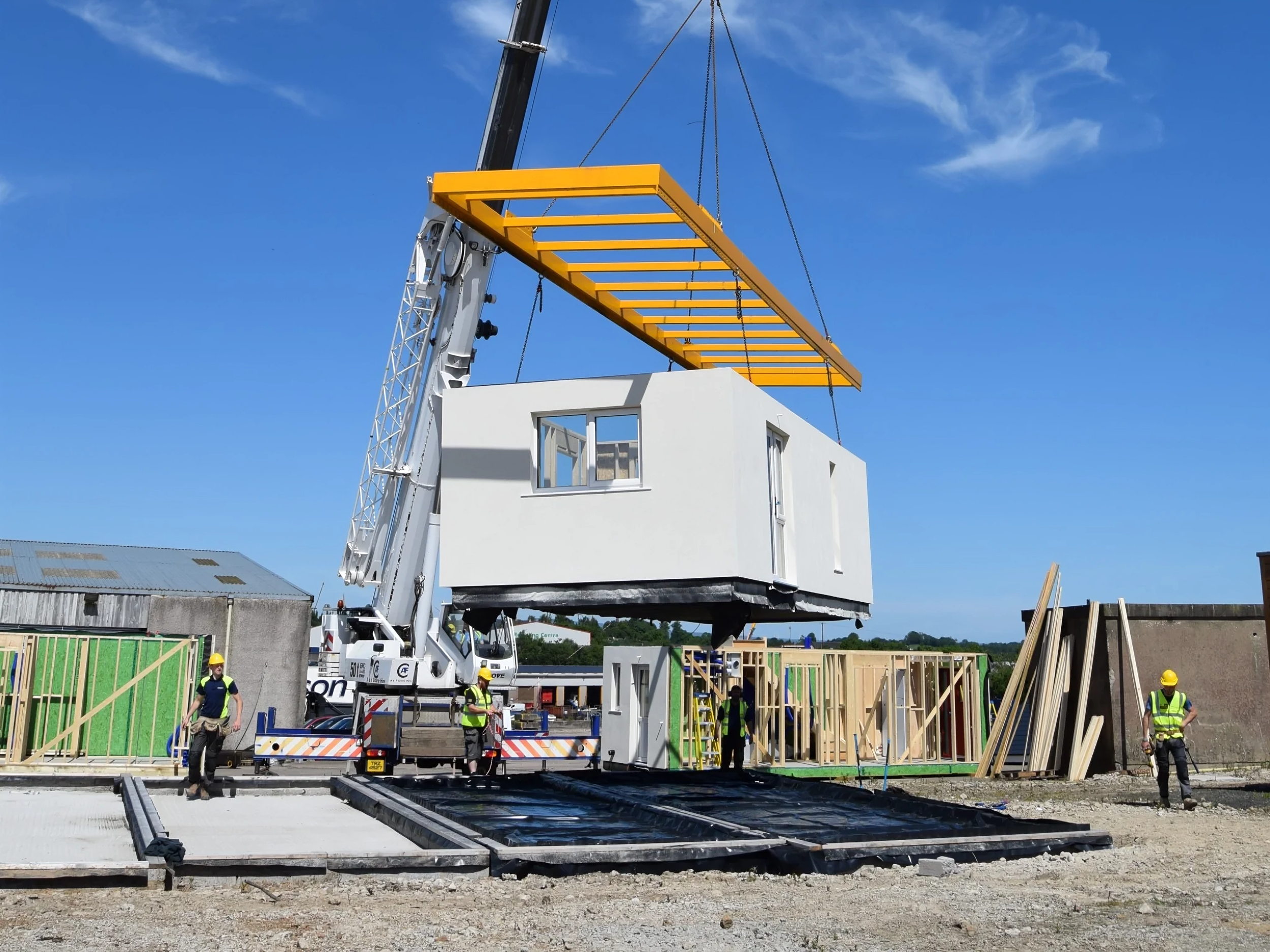
Off-site and prefabricated construction offers a faster, more controlled approach to delivering residential projects. This service is designed to guide projects from concept to completion by integrating prefabricated building systems into the development process.
Through technical advisory, strategic sourcing, and full coordination, projects benefit from reduced construction timelines, improved quality control, and greater cost predictability.
Smarter construction through precision & speed
-
Each project begins with a detailed assessment of the site, building type, and development goals to determine the most suitable prefabricated system—whether modular, panelized, or hybrid solutions.
-
Designs are reviewed and adapted to align with off-site construction methods, ensuring compatibility with structural systems, building envelope requirements, and local code compliance.
-
Leading prefabrication providers are identified and evaluated based on quality, capacity, cost, and delivery timelines, ensuring the right partner is selected for each project.
-
Tendering, ordering, and coordination of prefabricated components are managed in alignment with project schedules, minimizing delays and ensuring production readiness.
-
Transportation, site access, and sequencing are carefully planned to ensure smooth delivery and on-site assembly of prefabricated elements.
-
Assembly processes are coordinated and monitored to ensure quality, accuracy, and adherence to project timelines, bridging off-site production with on-site construction.
Advanced prefabrication systems
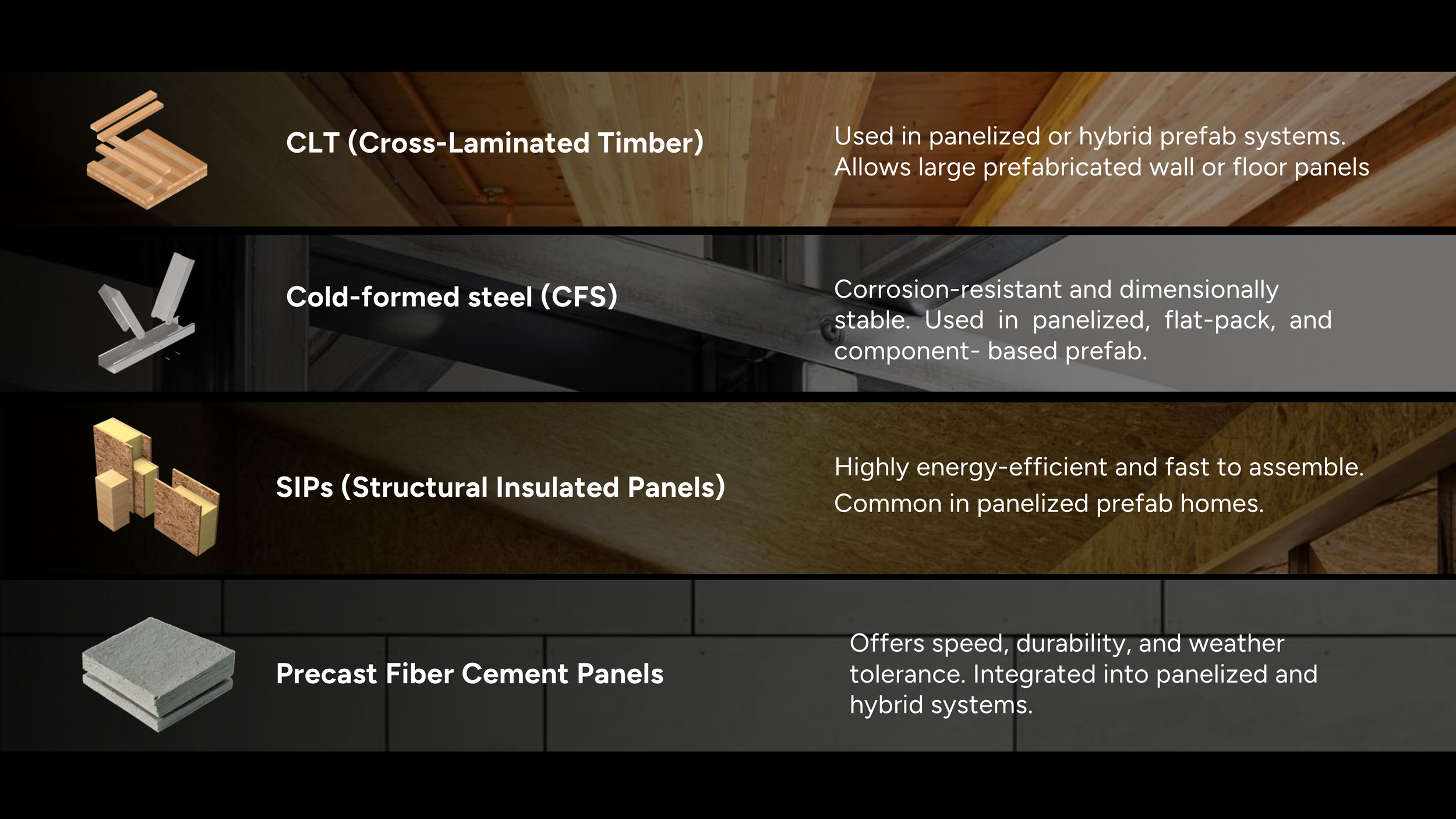
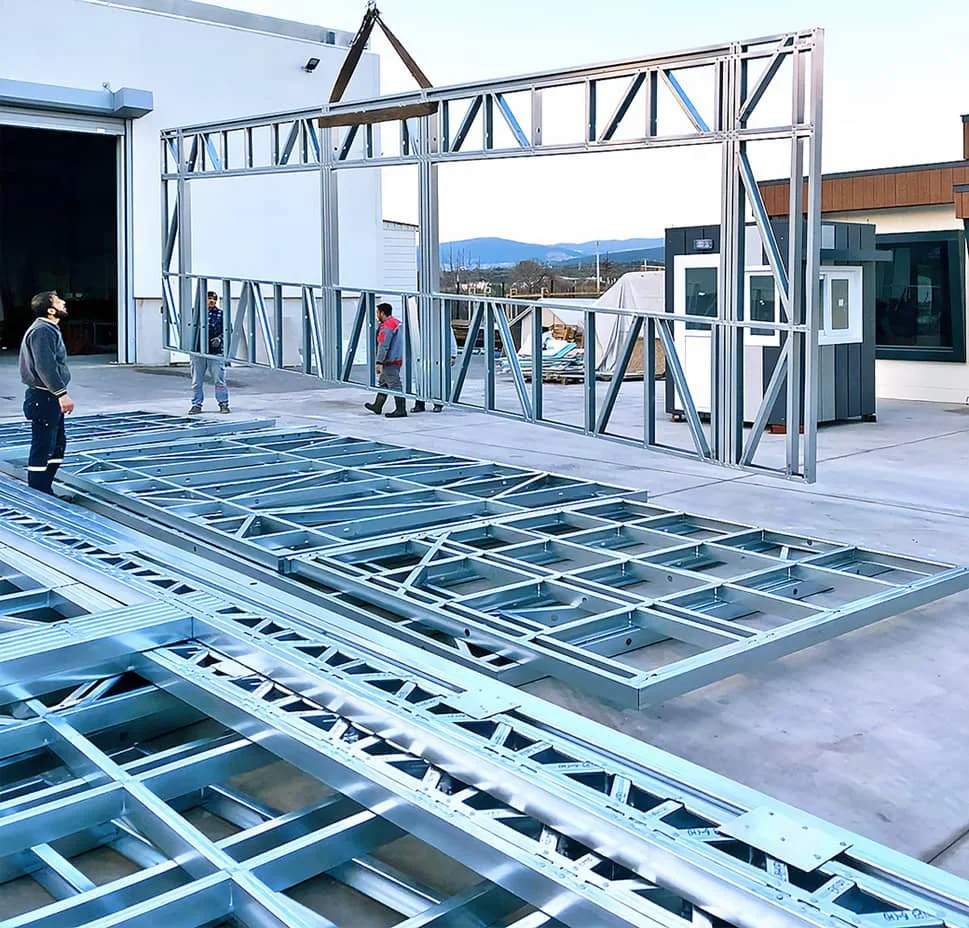
Prefabricated construction systems combine advanced materials and engineered components to deliver faster, more efficient, and higher-quality building solutions. As shown, systems such as CLT (cross-laminated timber) enable large-format structural panels for rapid assembly, while cold-formed steel offers durability, dimensional stability, and resistance to environmental factors. SIPs (structural insulated panels) provide strong thermal performance and energy efficiency, making them ideal for residential applications, and precast fiber cement panels add durability and weather resistance to building envelopes. Together, these systems support panelized and hybrid construction methods, significantly reducing on-site labor, improving quality control, and accelerating project timelines while maintaining long-term performance.